
Terracina: A Travel Guide to Fun and Charm on the Coast
One of the most gorgeous sites to visit on the Tyrrhenian Sea is Terracina. This old city boasts a lot of Roman history, magnificent beaches, and authentic Italian culture. Terracina has something for everyone, whether you're planning a short trip or a longer stay. History enthusiasts, beach lovers, and people who just want to have fun will all find something to do there. There is a guide on the Terracina website that tells you everything you need to know before you visit this beautiful section of Italy.
Finding Terracina on the Tyrrhenian Sea coast
There are many gorgeous spots to see along the Tyrrhenian coast in central Italy, but Terracina is one of the greatest. This part tells you where the town is and gives you helpful tips for arranging your vacation.
A town on the seaside between Naples and Rome
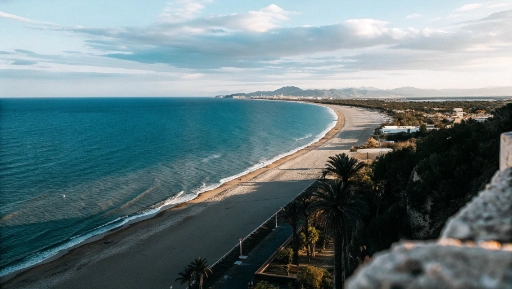
Terracina lies on the coast of Italy at a fantastic spot. It lies 100 kilometers southeast of Rome and 120 kilometers northwest of Naples. The village is spread out along the Gulf of Gaeta, where the Mediterranean Sea meets the Ausoni Mountains. There are old cliffs in this part of the world that gaze out over golden sand beaches.
The Volscian Hills meet the coast at Terracina. This has made the area important for both history and military purposes since ancient times. More than 2,000 years ago, Roman emperors and patricians constructed homes and retreats along these coastlines because they felt the area was lovely. The town still has two sides: a modern beach area with tree-lined boulevards and an old-fashioned center that is higher up and protects hundreds of years of architectural history.
Terracina is an excellent site to start your trip to Lazio. The Circeo National Park is close by and has great nature trails. The lovely village of Sperlonga is about twenty minutes south. Ferries leave from Terracina's port and go to the Pontine Islands, which include Ponza and Ventotene. This makes it quite easy to go on day visits to these gorgeous islands in the Mediterranean.
Getting to Terracina by bus, train, or car
Terracina doesn't have any direct high-speed rail links, so you need to prepare ahead to get there. The best way to use public transit is to take the train and the bus at the same time. Take a regional train from Rome Termini or Naples Centrale to the Monte San Biagio station on the main rail route that goes between Rome and Naples. Every day, a lot of Cotral buses go to Terracina. The trip takes about thirty minutes.
There are also direct Cotral buses that leave from the Rome EUR Fermi station, but the trip takes more over two hours. If you're traveling to Terracina, you can take the A1 highway exit toward Frosinone and then drive south along the coast. When traffic is normal, it takes about 90 minutes to drive from Rome. There are a lot of parking lots in Terracina close to the beach and port, which makes it easier for anyone who want to explore the area on their own to drive.
Historical landmarks and ancient heritage
There aren't many Italian seaside towns that have as many archaeological sites as Terracina. People who venture beyond the beach will find layers of history that go back thousands of years and tell stories about Volscian tribes, Roman builders, and kings from the Middle Ages.
Ruins from the Roman Empire and places of natural history
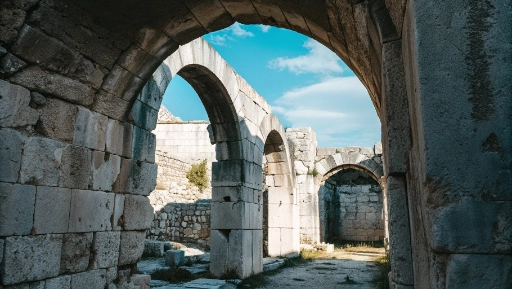
Terracina has a lot of history, much like many other well-known places in Italy. The town still has objects from almost 2,500 years of steady human use, from the Volscian settlements to the Roman Empire to the Middle Ages. People may see layers of history practically wherever they turn when they go through the center storico.
| Site | Period | Highlights | Visitor Information |
|---|---|---|---|
| Temple of Jupiter Anxur | 1st Century BC | Views from the terrace, original vaulted foundations | Entry fee approximately €10, morning visits recommended |
| Foro Emiliano | Roman Era | Original limestone paving, bronze inscriptions | Free access in Piazza del Municipio |
| Pisco Montano | 2nd Century AD | 36-meter rock cut with Roman numerals | Accessible via coastal walk, free |
| Capitolium | Republican Period | Temple foundations, archaeological museum artifacts | Included in municipal museum ticket |
The Via Appia was the most important route in ancient Rome. It used to go through the hills behind Terracina, but during Trajan's reign, it was cut through the Pisco Montano peninsula. You can still see the amazing Roman engineering work today; you can see the axe marks and measurement numbers on the cliff face.
The Jupiter Temple at Anxur and Monte Sant'Angelo
The Temple of Jupiter Anxur, which stands high above the town, is the most famous building in Terracina. From the top of Monte Sant'Angelo, this refuge complex boasts beautiful views of the Gulf of Gaeta, the Pontine Islands, and even Ischia and Capri on clear days. The temple's remarkable domed substructures are still pretty nearly the same as they were in the first century BC.
The Volscians called both the god and the old town "Anxur." People gathered from all over the area to pray and do business at the sanctuary, which was also a place for religious and government events. People can now see the foundations that are still there and picture how huge this place used to be. To reach to the site from the town center, you can either walk or drive up a moderate slope. The vistas are worth the work.
The Historic Center has buildings from the Middle Ages
Piazza del Municipio, which is the site of the old Roman Forum and still has its original paving stones, located in the upper section of Terracina's town. The San Cesareo Cathedral, which boasts a one-of-a-kind bell tower and mosaics with seascape themes, is the most important building in the square. Some historians say that these mosaics portray scenes from Crusader ships, which connect Terracina to the history of the broader Mediterranean.
You can view tower homes with defenses, Gothic lancet windows, and exterior stairs from the 12th and 13th centuries as you wander through the old streets. The Frangipane Castle was devastated during World War II, but its central tower still stands as a reminder of the noble families who used to dominate this significant place. The architectural tapestry you see all across the historic region today was made during the Renaissance by putting together various medieval buildings.
Living on the beach and doing things along the coast in Terracina
The sun, sand, and sea are what summer is all about in Terracina. People from Rome and Naples come to the town's beach to escape the heat of the cities, and water sports aficionados may do their favorite things in the best conditions.
There are both public and private beaches along the shore
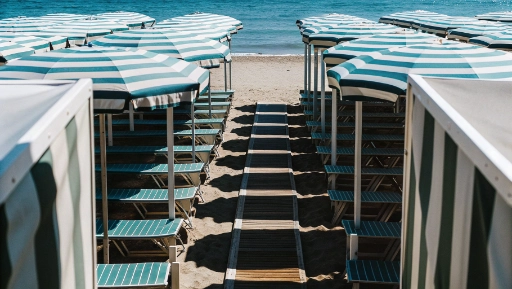
There are many various spots to choose from on Terracina beach, which is many kilometers long. Hotels and private enterprises own most of the beachside areas. They hire out umbrellas, chairs, and other services for a daily fee. Some hotels, such as Torre Del Sole, Grand Hotel L'Approdo, and Villa Del Sole, feature private pools that only its guests can access.
Public beaches are also a good place for people who wish to enjoy the sand and sea without spending any money. People come from all around Rome and other areas in the summer to swim in these waters because they are so clean. Families should know that some sites have strong currents, so they should keep an eye on their kids while they're near the water. There are more beaches along the 18-kilometer stretch that goes south toward Sperlonga. Each section has its own personality and amenities.
Fun things to do at the beach and water sports
There are a lot of interesting things to do along the Terracina beachfront besides just relaxing in the sun. This is a terrific area for folks who like to be active and have fun because the winds are always blowing and the water is clear.
- There are regular boat tours from the port of Terracina to see the Torre Paola and the Circeo caves. The cruises halt in distant spots that can't be reached by land for swimming and diving.
- During the summer, a lot of windsurfing and sailing schools set up along the shore. People of all skill levels can rent gear and take lessons there.
- Scuba diving centers schedule expeditions to sites in the Tyrrhenian Sea where you may see marine life that is common there. People who want to get certified can take classes.
- Kayaking routes along the coast lead to natural rock formations, where paddlers can explore sea caves and hidden coves at their own speed.
- Along calmer portions of the shore, stand-up paddleboarding has become more popular, and rental booths have been set up at a number of beach clubs.
- People who want to fish in the Mediterranean style can take charter boats from the harbor.
There are volleyball courts at several businesses on the beach, and during the peak season, pubs on the water sometimes have live music. When the weather gets cooler, the walkway that goes from the beach to the port area becomes a location for people to meet and converse. People who live there and people who visit appreciate the passeggiata customs.
Italy has a history of gambling, and Terracina contains casinos
There are more places to have fun than only beaches and historical sites for people who are interested in gaming culture. According to current Italian law, there are no casinos in Terracina. But travelers may plan interesting things to do in Italy if they know how gaming works there.
Knowing the rules regarding gambling in Italy
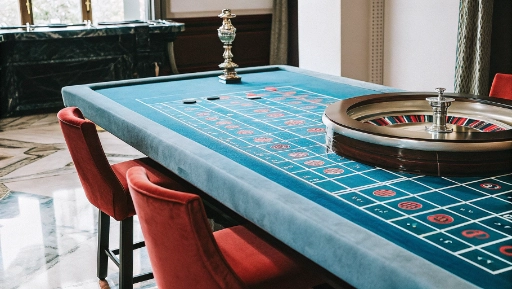
Italy has some of the most unusual gambling regulations in Europe because of its history, religion, and economy. The Ridotto in Venice opened in 1638 and was the first modern casino in Italy. But at now, there are only four land-based casinos in the whole country. This seeming paradox is the result of decades of legislation that tried to find a middle ground between the demand for fun and social concerns.
The ADM, or Agenzia delle Dogane e dei Monopoli, is in control of all gaming in Italy. This group ensures sure that gaming operators have the right licenses, that the equipment is safe, and that national requirements are met. All around the country, the legal age to bet is eighteen, and all regulated venues and online platforms must check people's IDs.
Venice, Sanremo, Saint-Vincent, and Campione d'Italia only have land-based casinos. These localities obtained historical permits that later laws haven't given to other areas. People who wish to go to a real casino in Terracina or Rome have to drive a considerable way to go to a legal gaming hall. But this rule has made more entertainment options available all around the country.
How to Have Fun at the Casino Near Terracina
Terracina doesn't have a casino, but there are a number of places nearby where people can play games for fun that are legal to access online.
- There are a lot of slot machine rooms in Lazio, even in Rome. These halls have electronic games that are legal under ADM licenses, and there are hundreds of certified machines in places where they are allowed.
- You can bet on football games, horse races, and other events at sports betting shops in most Italian towns. SNAI and Eurobet are two of the most well-known operators.
- People can play bingo with other people in a social atmosphere, and the government lets these locations do business in particular ways.
- In Italy, licensed online casinos let players who are old enough play slots, table games, and games with live dealers.
- People can use the internet and play legal video games in a social setting in gaming stores in Rome and other big cities.
Casino di Venezia is a great place to play conventional casino games. It's in the gorgeous Palazzo Vendramin Calergi from the 1400s and is right on the Grand Canal. The Casino Sanremo, on the Italian Riviera, boasts an Art Nouveau style and over 500 slot machines and 50 table games. Each venue is worth a trip on its own because it mixes gaming with cultural tourism.
Visitors to Italy can play games on the internet
Online gambling is legal in Italy on sites that have been approved by the ADM. This makes it easy for travelers to pass the time during the Terracina holidays. Since 2006, Italian law has allowed recognized enterprises to offer remote gaming services. This has developed a controlled market that people all throughout the country can use. When players sign up for an account, they have to confirm their name. This makes sure they follow the regulations for responsible gaming, such as age limits.
Licensed sites offer a wide range of games, including virtual slots, table games, poker tournaments, and sports betting. Before visiting to Italian gaming sites, persons from other countries should examine the rules in their own country. The terms of service are different for those who are not from Italy. You can typically pay using major credit cards, bank transfers, or recognized electronic wallets. All transactions are done in euros.
The culinary and dining options in the area
You have to try the native food culture if you go to Terracina. Because the village lies between farmland and fishing waterways, people there cook with food from both land and sea.
Restaurants and foods from the area that are traditional
Terracina's food is a reflection of where land and water meet. The restaurants in the area use food from both the sea around the Tyrrhenian Sea and the lush land around the Pontine Plain to prepare their meals. This makes for a unique culinary heritage that you should look into while you're there.
| Specialty | Description | Best Season | Where to Try |
|---|---|---|---|
| Antipasto di Mare | Mixed seafood appetizers with local catch | Year-round | Harbor-side trattorias |
| Spaghetti con Alici | Pasta with fresh anchovies from Tyrrhenian waters | Spring through autumn | Centro storico restaurants |
| Buffalo Mozzarella | Made in the area since the Middle Ages | Year-round, freshest morning | Farm shops and markets |
| Fragole di Terracina | Sweet strawberries from nearby plantations | April through June | Street vendors and dessert menus |
| Casatella | Traditional sweet with cottage cheese and coffee | Easter season | Local bakeries |
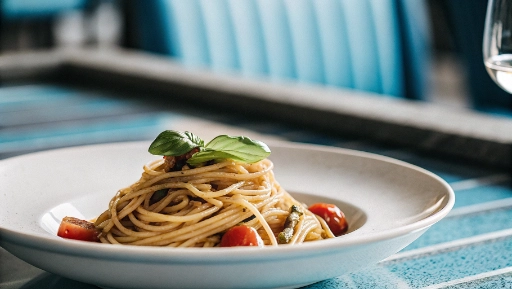
Seafood is the main focus of menus all across town, and the daily catch decides what kinds of dishes are available. Common foods in beach restaurants include fish soup, fried mixed seafood, and grilled fish. Because fishing boats bring back food, there are a number of places to dine in the harbor area.
Terracina has markets for seafood and wine tasting
You can really see what this working fishing town is like when you go to the fish market in the morning near the port of Terracina. Vendors are selling overnight catches, and restaurant owners and home cooks are picking out the things they will need for the next day. People can observe this daily practice and buy fresh fish to cook for themselves. Sellers often include culinary recommendations for species that aren't very common.
The area around here makes wine that you should look for while you eat. The Pontine area grows Moscato grapes, which yield sweet wines that mix well with desserts and substantial reds that go well with meatier meals. Some restaurants work with adjacent vineyards to get wines that aren't sold in supermarkets. You can often find fantastic wines that aren't on the regular wine lists if you ask servers for suggestions based on where you are.
Frequently Asked Questions
Does Italy have any casinos?
Italy only allows four land-based casinos to operate. These are in Sanremo, Venice, Campione d'Italia, and Saint-Vincent. In the past, these firms were allowed to accomplish things that the law doesn't allow in other regions now. But the ADM controls and licenses web casinos and slot machine halls all around the country.
Is it permissible to play games of chance in Italy?
People in Italy can bet, but only through licensed firms that the Agenzia delle Dogane e dei Monopoli controls. This covers casinos, slot halls, sports betting shops, bingo halls, and online gaming businesses that have licenses from Italy. You have to be at least 18 years old and present verification of your name to gamble legally.
What makes Terracina famous?
People know a lot about Terracina's old Roman past, especially the Temple of Jupiter Anxur, which is on Monte Sant'Angelo and has a view over the town. People like to go there because it offers archaeological sites, gorgeous beaches, medieval buildings, and a real Italian flavor. It's a great place to get away from busy tourist areas.
How do I travel to Terracina from Rome?
The best method to get around is to take the train to the Monte San Biagio stop and then the Cotral bus to Terracina. There are other direct busses from Rome EUR Fermi that run along the way, but they take more than two hours. It will take you about 90 minutes to drive on the A1 highway and the beach lanes.
Can tourists gamble online in Italy?
While in Italy, tourists can use internet gambling sites that have been approved by ADM, but they have to join up and show who they are. People who aren't from the country should study the terms of service before going to game sites to make sure they meet the rules in their own country.
What is the ideal time to go to Terracina?
The best times to go to the beach and experience the outdoors are from late spring to early October. There are a lot of people and prices are higher in July and August when Italians go on vacation. The weather is excellent in September and October, and there aren't many people there. The weather is ideal for sightseeing in the spring, when the fields are in blossom.
Conclusion
Terracina is a great place to explore the actual Italian coast because it has beautiful beaches, intriguing history, and real local culture. There are a lot of interesting things to see in the town, like the historic Temple of Jupiter Anxur and the busy waterfront promenade. Terracina doesn't have any casinos because Italian law only lets people gamble in four areas in the whole nation. But tourists can still enjoy licensed entertainment and the basic pleasures of life in the Mediterranean. If you want to go to Terracina, you should prepare ready for days full of historical monuments, seafood feasts, and lounging on the beaches that have been luring people there for more than 2,000 years.